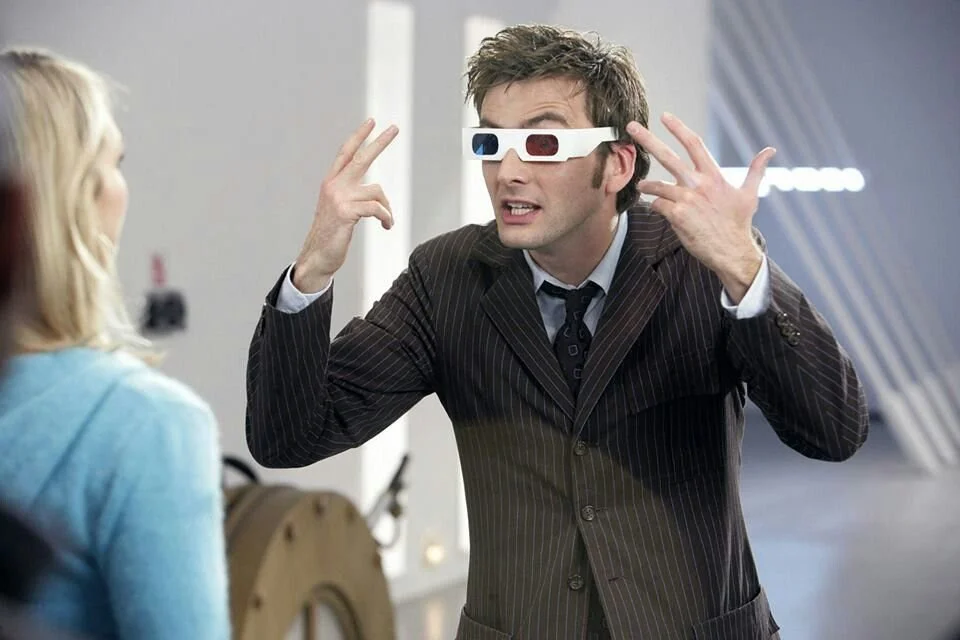
TWENTY YEARS ON, WHY ‘THE DOCTOR’ IS STILL THE ROLE MODEL BOYS AND MEN NEED
“The Doctor does not soften his convictions to keep the peace. He stands in front of the powerful — Daleks, Cybermen, prime ministers, gods — and tells them no, and he does it knowing it will cost him. He plants his flag and refuses to shrink from the opposition that follows. For a young man learning that being liked and being right are not the same thing, this is everything. Courage isn't the absence of fear of consequence. It's speaking anyway.”
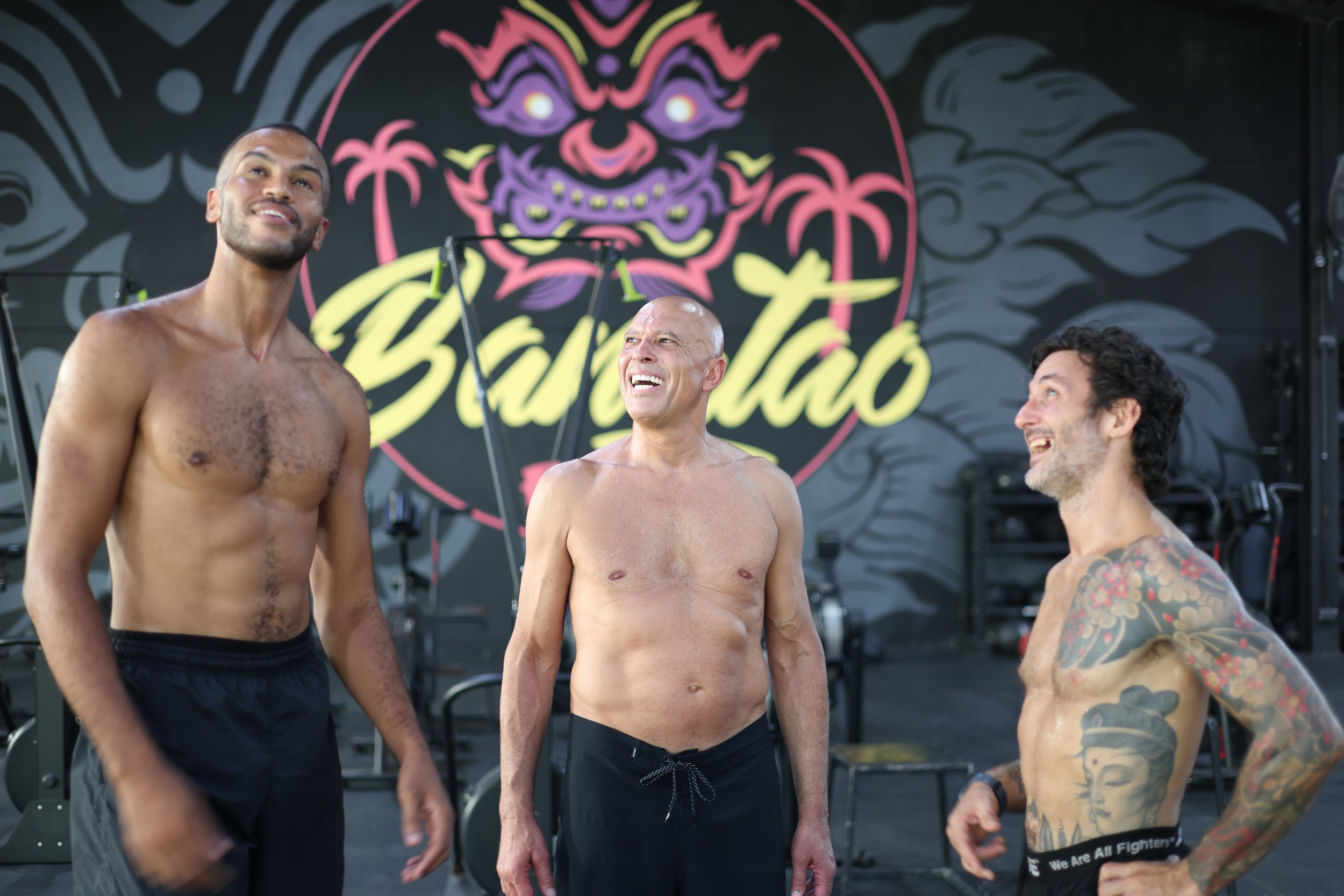
HOW I GOT TO INTERVIEW ROYCE GRACIE FOR MY BOOK (AND WHAT THREE YEARS OF INTERVIEWING TAUGHT ME…)
A ‘behind-the-scenes’ post about how I was trusted to interview the first UFC Champion of the world and member of the legendary Gracie family.
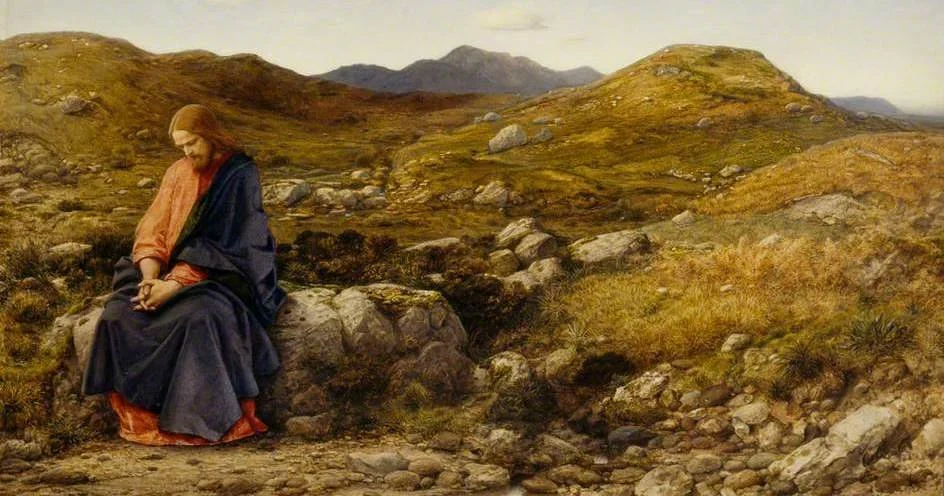
You don’t need to share everything online… here’s why… (AUG, 2025)
The Prophets of scripture didn’t need sunglasses with a keyhole camera, or a GoPro attached to their head, to know that mountains would move for them.
The prophets of scripture didn’t need a pretty feed, the approval of a million followers, or have their “wins” set in stone in the form of highlights and reels, or be the sum of a swanky networking event in Bali, for the divine laws to work in their favour.
We live in a time now where the noise of the world compels us to share every micro moment of our lives. We are expected to use social media as a way to share the good deeds, the small wins, the goals, the dreams, the progress, and our best selves, to feel like we’re moving up in the world.
We’re constantly told that “if you don’t take a photo, it didn’t exist” and a scroll through social media today shows prayers, workouts, and sacred moments (such as yoga, wind-down routines and experiential trips) now being reduced to the ephemeral entertainment and ‘doom-scrolling’ of many.
Reading the stories of old, and the biographies of the greats that came before us, reminds us that the blessings that happened in these individual’s lives didn’t require public petition - and that the constant sharing of moments online can quietly strip away the richness of living them.
Beware the Talent Trap: A short essay on the psychological cost of early stardom (2022 revised)
“I’m going to be a footballer”
“I’m going to be in the NBA”
Ask any child and you’re bound to hear it.
And whilst I’m not refuting the power these increasingly common, new-age ‘wish it into existence’ mantras have, I’m slightly skeptical of the disillusionment and danger that entails when these things don’t go to plan.
According to a 2021 report published by Sky News, between 10,000–12,000 boys are registered within the prestigious realm of football’s youth development programmes in the UK. However, of this figure, ‘less than 0.5% [ of those entering these academies at the age of nine] will ever make a living from the game.’
That figure is not only shocking because of how disproportionate it seems, but because it also highlights a glaring problem: For every professional sports star you see on television, for every actor you see dedicating their award to the half-truth ‘hard work pays off’ line, there will be more kids on the other side of that screen who, for reasons beyond ‘not working hard enough’, will never see their dreams come to fruition.
However, this isn’t about the ‘lost boys’ of sports. This is about the lucky few, the 99.5% who found their way in.
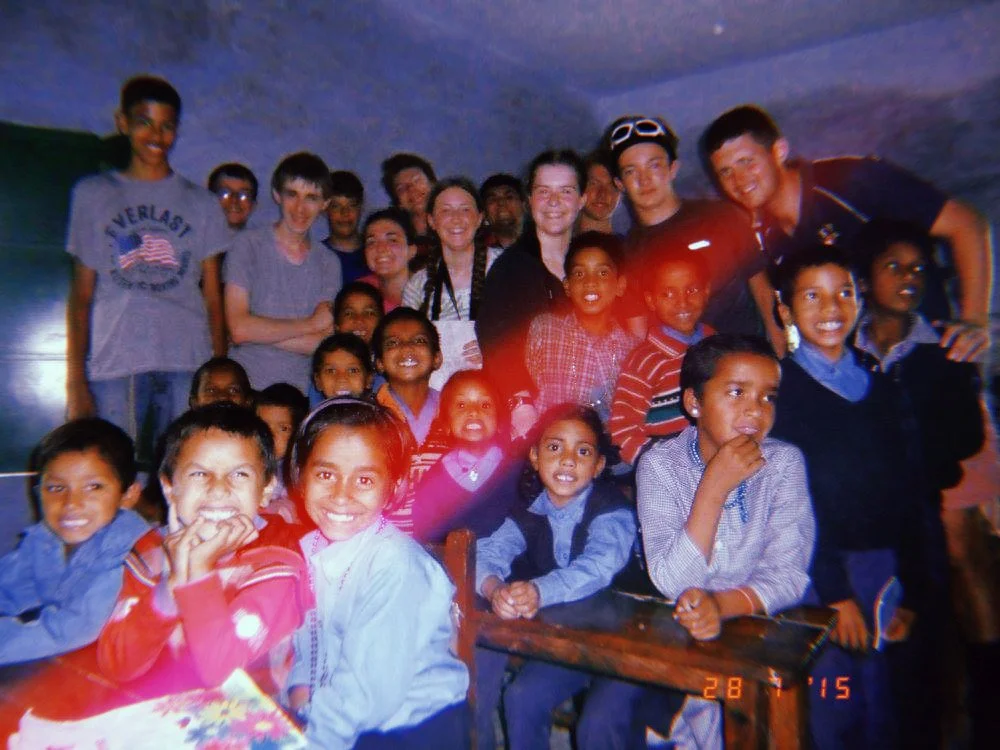
The Boys Who Sold Their Bikes: An Essay On Protest, Memory And A Place Called Boyzy (Aug, 2025)
This week marks ten years since our expedition to India - a two-week intensive, educational expedition across Uttarakhand, New Delhi, Agra, and the green foothills of the outer Himalayas, where jungle gave way to mist, and snow-capped giants loomed on the horizon.
But this story isn’t as prosaic or straightforward as it might first seem.
Long before ‘Immigration Street’ and ‘Love Productions’, there was love, resistance, protests, and a youth centre called Boyzy.
To understand it, I have to go back - into community history, into a highly controversial national documentary of my neighbourhood, into a unpublished essay of 1987, and into the hidden community figures, and teachers, that have guided many of the boys and girls , in what would become the kind of experience that ripped my understanding of the world from the books, movies and comic books I grew up on and placed it squarely in my hands.
This is the never before told story.
Ten years on.
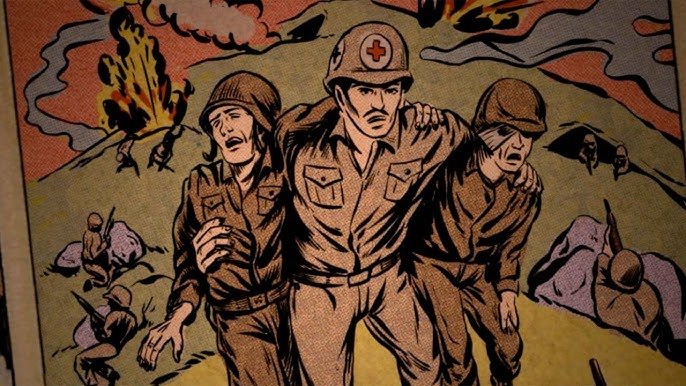
What We’re Getting Wrong on Masculinity… (Sep, 2024)
It’s a word so contentious you can’t say it without being laughed out of some rooms. A word so divisive to speak, it puts a red mark above your name. A word so loaded that it carries the weight of countless expectations, stereotypes, and misconceptions.
But what is masculinity, really?
Is it defined by chiseled features, a six-pack, or the size of your wallet? Is it measured by the number of women you’ve slept with, your height, or how great of an orator you are? Many definitions, both societal and dictionary-bound, would have you believe so.
Masculinity, true masculinity, is not confined to the superficial. It is characterised by those who embody virtues of hope in the face of despair, courage in the face of fear, and an unwavering commitment to bettering the world around them.
When I think of the brave men and women who stand up to injustice, those who continue to speak their truth in the midst of cancel-culture, government authoritarianism, bigotry, and lies — I see the display of masculinity.
When I think of the heroes of the Civil Rights Movement in America — Rosa Parks, Malcolm X, Dr. Martin Luther King — I see the display of masculinity.
When I think of Jesus, of how he wound his way up Dolorosa, via Calvary Hill, beaten, mocked, betrayed by those he had loved, and yet still, in his dying breath, whispered, “forgive them Father, for they know not what they do” — I see the display of masculinity.
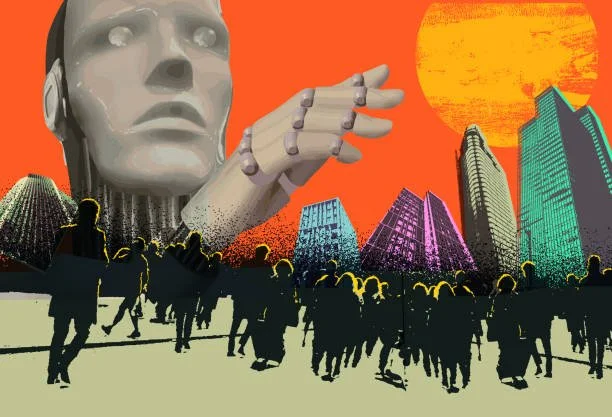
Dystopia in the midst of Utopia: Technology and surveillance in Orwell’s Nineteen Eighty-Four and Brooker’s ‘Black Mirror’ (MAY, 2023)
This essay will seek to offer a critical, yet comprehensive, commentary on dystopian fiction, with a slight historicity on the concept of ‘utopia’, through the study of George Orwell’s (1903-1950) critically-acclaimed, dystopian sci-fi novel, Nineteen Eighty-Four (1949) and Charlie Brooker’s critically-acclaimed anthology series, Black Mirror (2011 - ). As the field of utopian and dystopian fiction can be complex and extensive, the essay will, therefore, focus on how these hypothetical societies have incorporated, and continue to incorporate, dystopian themes and notions such as the over-reliance of technology and the use of pervasive surveillance.
A dystopia can be defined as a speculative and fictional society characterised by dehumanising and repressive social, political, and environmental conditions which often serves as a cautionary reflection and critique of existing ideologies, institutions and real-world trends. These narratives typically depict an exaggerated and bleak future - an antithesis, in some respect, of a utopia - in which oppressive systems of governance, pervasive surveillance, socioeconomic inequality, environmental degradation, and a denial of individual freedoms (‘as a condition of a collective utopian dream’[1]) are interweaved within the fabric of their existence.
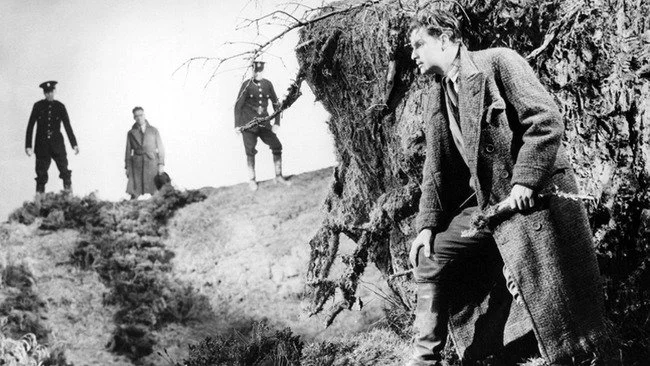
Hitchcock’s North by Northwest and The Thirty-Nine Steps through the lens of Adaptation Theory (MAY, 2023)
Literary adaptation is a complex and intriguing field that sits at the confluence of literature, cinema, theatre, and an array of other media forms; it is a process that involves the transformation of a written work, typically a novel, into the visual code, such as a film. This dynamic, multifaceted art bridges the gap between text and viewer, giving rise to creative productions that reinterpret and recontextualise original narratives. Whether it is a contemporary film, born from a twentieth-century novel (take the example of the Bond cinematic series which are, to use Wagner’s term, a typical ‘transpositional’[1] adaptation of Fleming’s literary counterpart), a Broadway musical formed from a popular book, or a video game adapted from a comic-book series, adaptations continue to demonstrate the fluidity and transformative potential of storytelling.
The field of literary adaptation is, as you can imagine, a complex area of interest. In light of this, this essay, centring its case studies and theoretical analyses around Alfred Hitchcock’s The Thirty-Nine Steps (1935) and North by Northwest (1959), will aim to provoke meaningful discussions around the topic of authorship, fidelity, and the critical roles of both the viewer and the reader in the interpretation of a text - particularly in Hitchcock’s transformation of the written into the audio-visual mode. From this, I endeavour to bring about a nuanced, holistic, although comprehensive, perspective on the field of literary adaptation.
Didacticism In Children’s Literature (MAY, 2023)
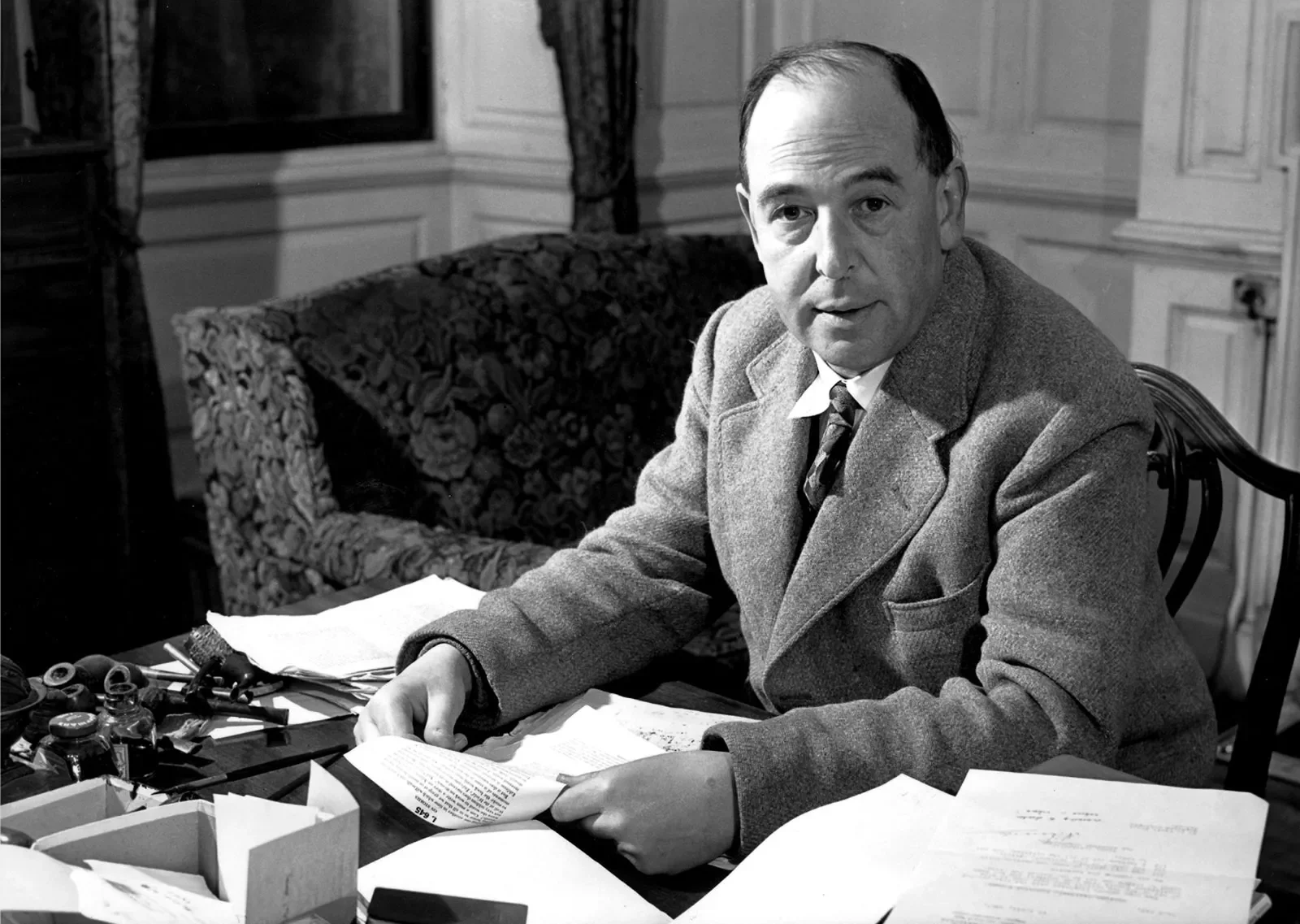
The realm of children’s literature is an extraordinary, and yet contentious, body of writing. And ever since its emergence in the mid-eighteenth century as a distinctive area of writing (although some critics may contend with setting this date back much earlier), authors, such as Mary Cooper and Samuel Richardson, were beginning to adopt this new and didactically-charged ‘genre’ of writing with the intent to educate and entertain demographics and social classes previously unrecognised.
As literacy became more widespread, and the arrival of mass printing allowed folktales, fairy tales, myths and fables to be textually documented, authors were able to, not just preserve the oral tradition within the pages of the chapbook or the penny dreadful but, remove and edit the moral codes contained within the tales, and weave in their own religious and political inclinations.
This process was carried out with the intent of socialising children according to the social and cultural code of that particular period.
The One Thing We Get Wrong About Bullies (March, 2023)
I used to think bullies only target the weak.
But that’s not true.
Because, sometimes, it’s the opposite.
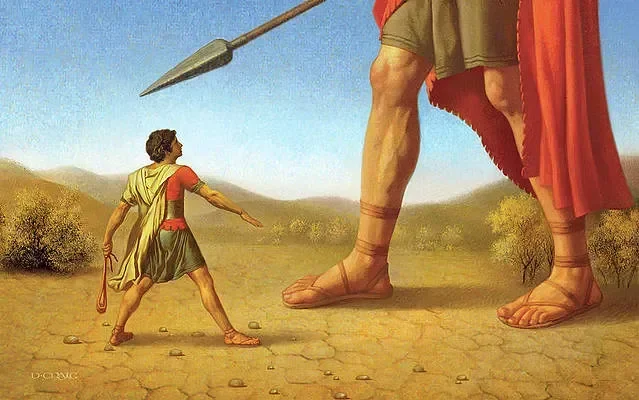
Because, sometimes, holding a certain amount of power will be enough to attract those whose only goal is to see it removed.
A great leader will be prone to unfair attacks on their leadership from subordinates whose only goal is to test their capabilities.
A successful, independent and happy woman will face the bitterness and scorn of other females who, secretly, envy her power.
Not because she’s weak — but because she’s strong.
A righteous person will face increased scrutiny from those who watch from the sidelines. Who wait until they stumble. Who wait for one lapse in their suspiciously pristine character.
The Shakespeare Phenomenon (Jan, 2023)
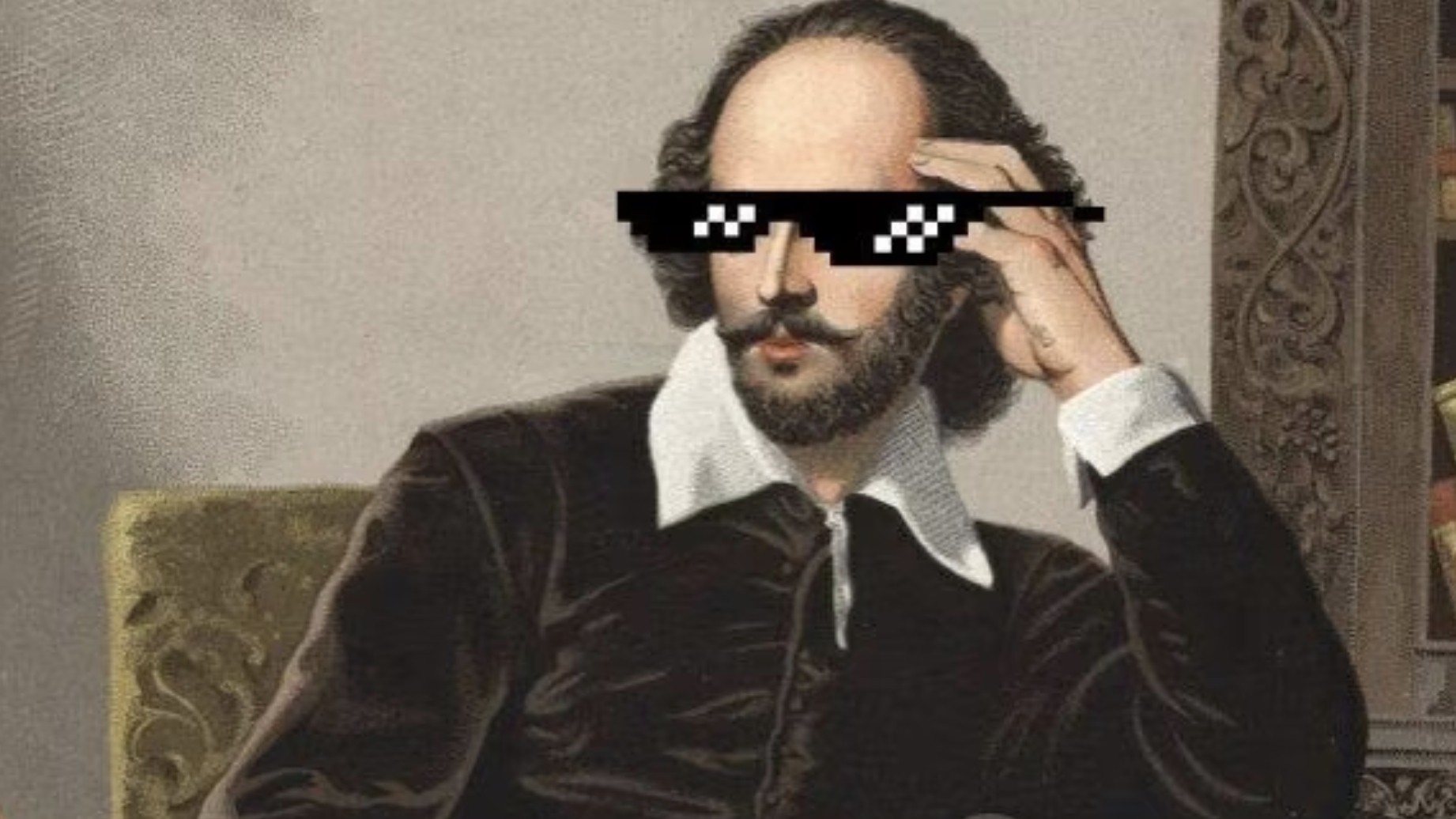
‘The Shakespeare Phenomenon’ is a term used to describe the continuous Shakespearian allusions, interpretations and retellings that permeate into mediums beyond their original transmission. This phenomenon can also be employed as a sociocultural term used to describe how cultures, traditions and individuals refer to Shakespeare in order to conjure new, alternative meanings. Whilst this manifestation is more prevalent in visual adaptations - the star-crossed lovers embattled by familial and gang rivalries in Romeo and Juliet (1597) and West Side Story (1961) , orthe thematic and characteristic similarities in Hamlet (1599-1601)and Disney’s The Lion King (1994)- I will make the case that ‘the institution of Shakespeare’[1], as Eaglestone ( 1968 - ) writes, ‘stretches well beyond the world of literature’[2] and is active across all streams of art.
More particularly, I will discuss how Shakespeare has been adopted within the guild of contemporary hip-hop music as a vehicle to address contemporary, critical issues such as: race, class and gender, whilst bringing new meaning to the text. I will then briefly touch upon the two warring schools of thought - the ‘traditionalists’ and ‘cultural materialists’ - to provide a balanced overview of how the playwright is viewed as both a ‘pure genius untrammelled by art’[3], and one who, through his pre-eminent status in our society, has often found himself accused of being a ‘baffling, tiring, frustrating and downright unpleasant’[4] individual to study, for those belonging to the latter party.
The Vampire Through The Ages: A Study Into The ‘Cultural Obsession’ Of The Vampire And It’s Rebirth Beyond The Literary Medium (May, 2022)
ORIGINAL PRESENTATION SCRIPT (Friday 13th May 2022):
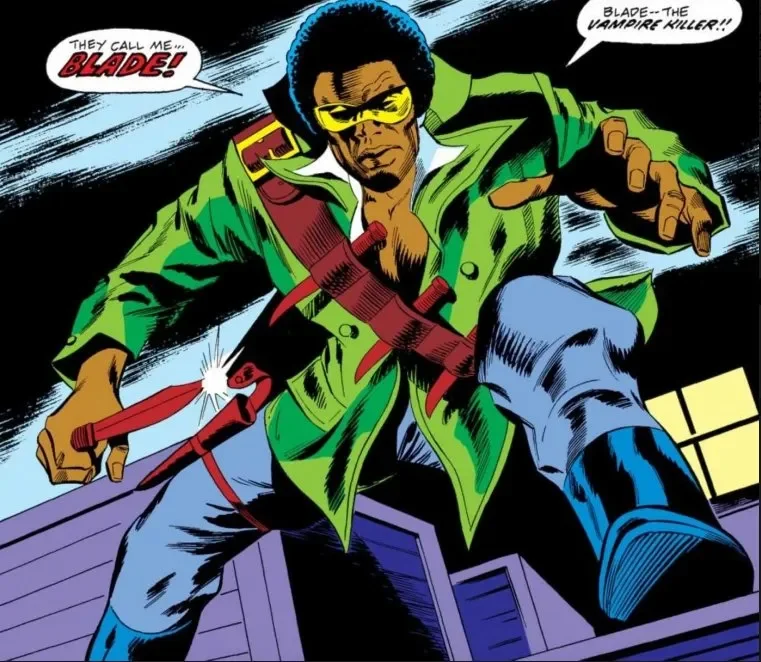
Today I will be discussing the representation of vampires within the 1998, superhero film, Blade. Showing how the vampire mythos has revitalised itself with each culture and generation, now a deviation of its birth in European folklore. I will also attempt to use postcolonial criticism to, ‘read against the grain’ of one of Marvel’s earliest black superheroes.
For American writers, the adoption of the gothic tradition in the nineteenth / twentieth century encapsulated the fear and anxieties that clouded the nation. In her essay, ‘Gothic in the Twentieth Century’, Catherine Spooner suggests that the emergence, and success, of the gothic tradition in America was the perfect marriage to a nation whose tensions were already ‘overtly gothic’. The displacement, degradation of the Native Americans, the enslavement of the black diaspora and the fear and hostility towards foreigners were prejudices and thoughts rendered into the role of monstrous, ‘racialised other’.
We’ve looked at how ethnic minorities in gothic perpetuate the ideolog of white hegemony. Dracula is Romanian, Angel is Irish, and when we look at Lovecraft’s lore, we see how it holds traces of the author’s white supremacist views.
In horror movies, there is a running joke of ‘the black person dying first’. Of course, this isn’t true. We all know there are many times when the black person makes it out alive...
Until recently, minorities were not afforded the three-dimensional, normative, heroic arch, that their white counterparts had. Nor did they possess the full autonomy of the human spirit.
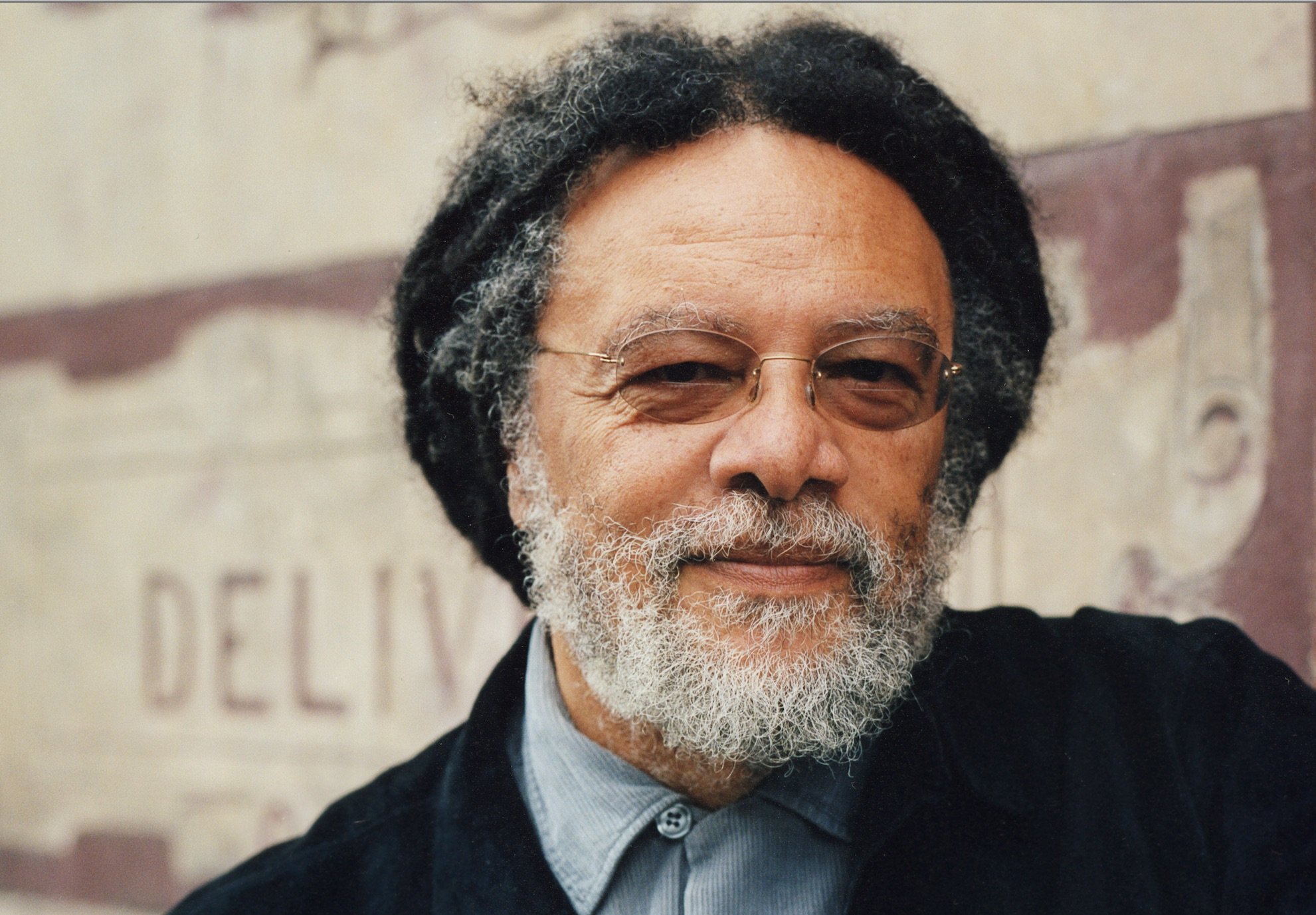
THE BLACK ATLANTIC: CHALLENGING STIGMAS OF THE AFRICAN DIASPORA (JAN, 2022)
In this essay, I will focus on the works of leading figures who all share a commonality in their reproach against perceptions and stigmas of the black diaspora. In the wake of the George Floyd murder, the consequential Black Lives Matter Protests and the Windrush scandal, the sociological, political, and structural disparities between white and black people have become further afield and the need for reformation is urgently needed more than ever. An in-depth exploration could not be complete just by drawing on the field of academia alone. So, just as cinema has been deployed as a vehicle of propaganda (take the case of D.W. Griffiths controversial silent film ‘The Birth of a Nation’ which aided in the revival of the Klu Klux Klan[1]), I will also bring my attention on non-literary figures whose work has served as both an advancement of the black diaspora and a remedy against such propaganda. It may be worth noting that these works possess a dual character: to educate the bigot and the racist whilst simultaneously uplifting, educating, and unshackling the chains from the black diaspora who, for centuries, have been wilfully led into the wilderness.
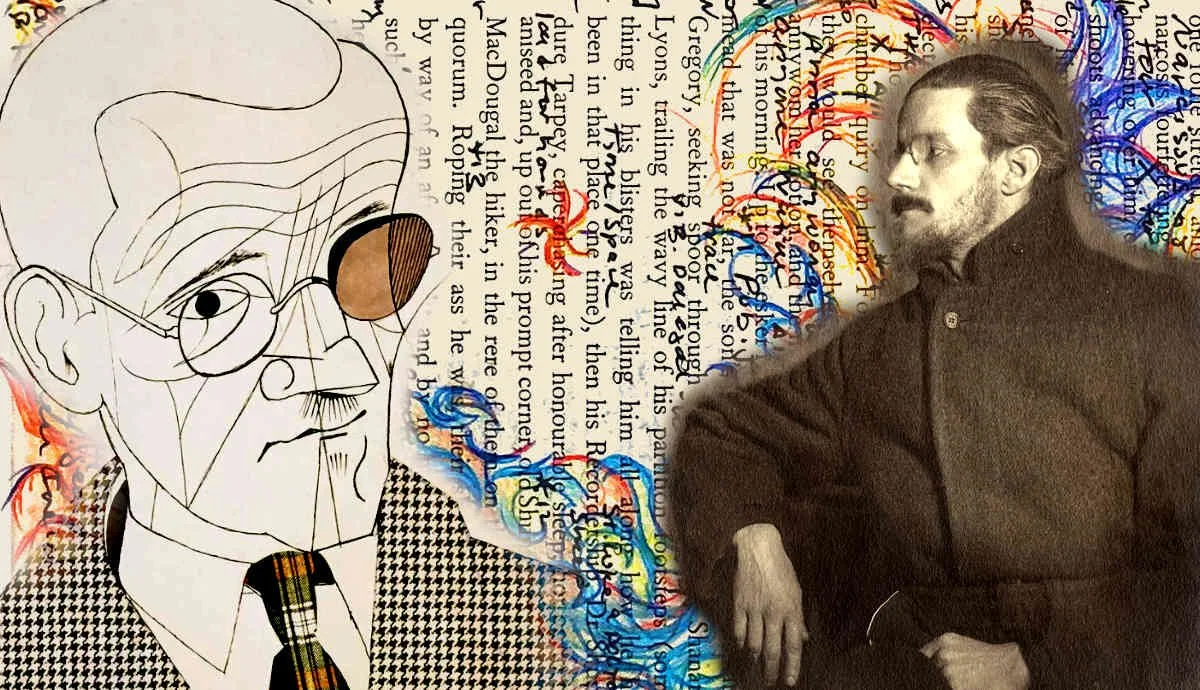
James Joyce And Modernism (Jan, 2022)
This essay will refer to both Joyce’s A Portrait of the Artist as a Young Man and Eliot’s The Waste Land in its exploration as to why context - the tripartite study of both the historical, literary and social factors that cloud a modernist text - aids our interpretation and can help elucidate the complexities of, not just these singular texts but, modernist literature at large.
Readers entering the world of modernist literature for the first time may find themselves doing so with trepidation. Modernism, a global artistic movement of the late nineteenth-early twentieth century, saw the traditional beliefs of a bygone era re-evaluated for a changing world. For the contemporary reader or one acquainted with the realism and romantic style, the modernist aesthetic can feel fragmented, cryptical and dislocating. modernist writers were not encumbered by the parameters of their predecessors but rather it was in their imagination, in their rejection of these traditional values, of what novels ‘should be like’, that saw these novelists and poets seek new sensibilities in a time of great technological and cultural advancements.
Decolonising the Canon: Language, Power, and the Politics of World Literature (MAY, 2021)
On February 26th, 1885, German Chancellor Bismarck, the most powerful man of his time, invited to his palace sixteen representatives from leading western countries to convene and, over the course of three months, negotiate rules for the invasion, occupation and eventual colonisation of Africa by the United States and several other European colonial powers. Africa’s fate in the infamous ‘Berlin Conference of 1884/85’ was to be decided without the presence, or consultation, of any African representatives. In the years that followed, the unedifying course of imperialism on the ‘Black continent’ lead, not only to the theft of its riches and resources but, to a desecration of its many cultures and languages. Berlin of 1884 was effected through sword and bullet, but when these forces were withdrawn, it was in the chalk and the whiteboard that the gentler, more obscure, force of neo-colonialism began to find root. This introduction of bourgeois ideals and external, western influence would soon strip the entirety of ‘the black continent’, native to many dialects, languages, and cultures, of its spirit. Thereby forcing it to recentre and orientate around a foreign, white, euro-centric gaze. One that taught the superiority of one race and the inferiority of another.